
Fuel Load Management
Limit the Impact of Harmful fires
Executive Summary
Manage fire risk.
Managing fuel loads is an integral part of managing fire risk. The nature of the risk is dependent on the different fuel types and the age of the vegetation. Reducing fuel loads may be desirable in terms of reducing immediate risk, or can pose a threat to human life, infrastructure, commercial concerns, livestock and other land owners, or maintaining the health of fire adapted ecosystems.
The management of fuel loads in these areas are often by means of prescribed burning.
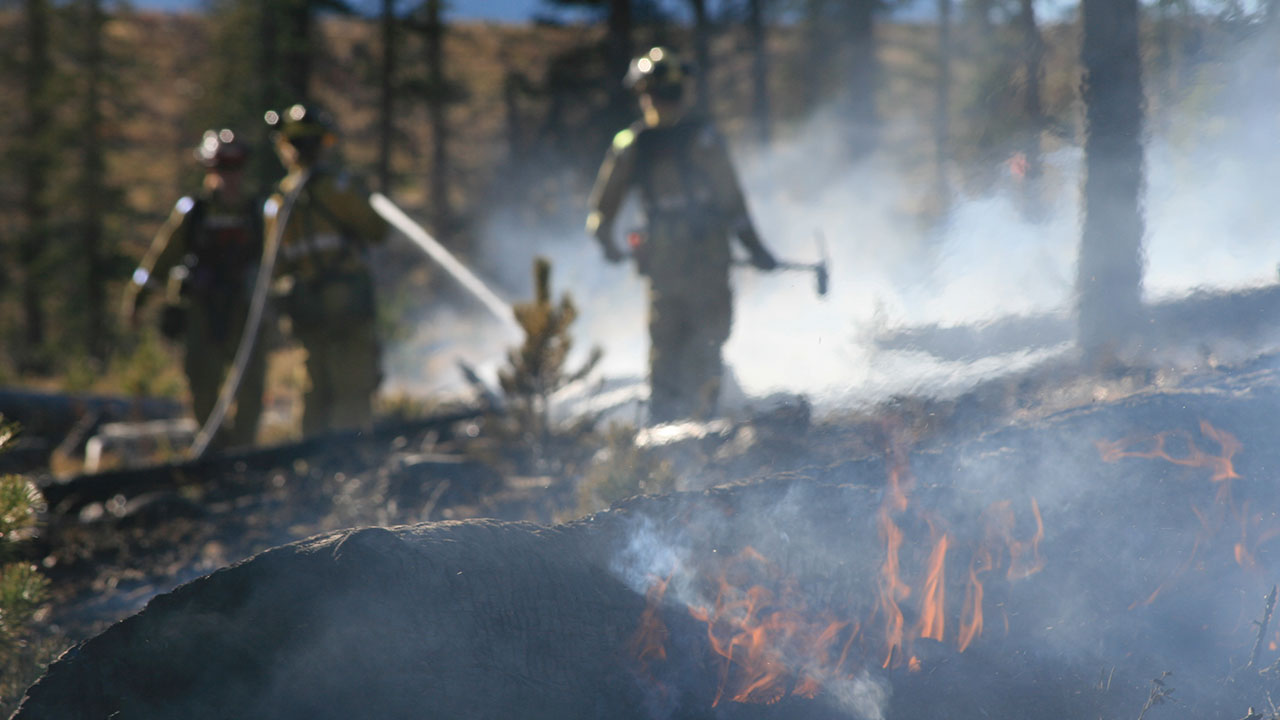
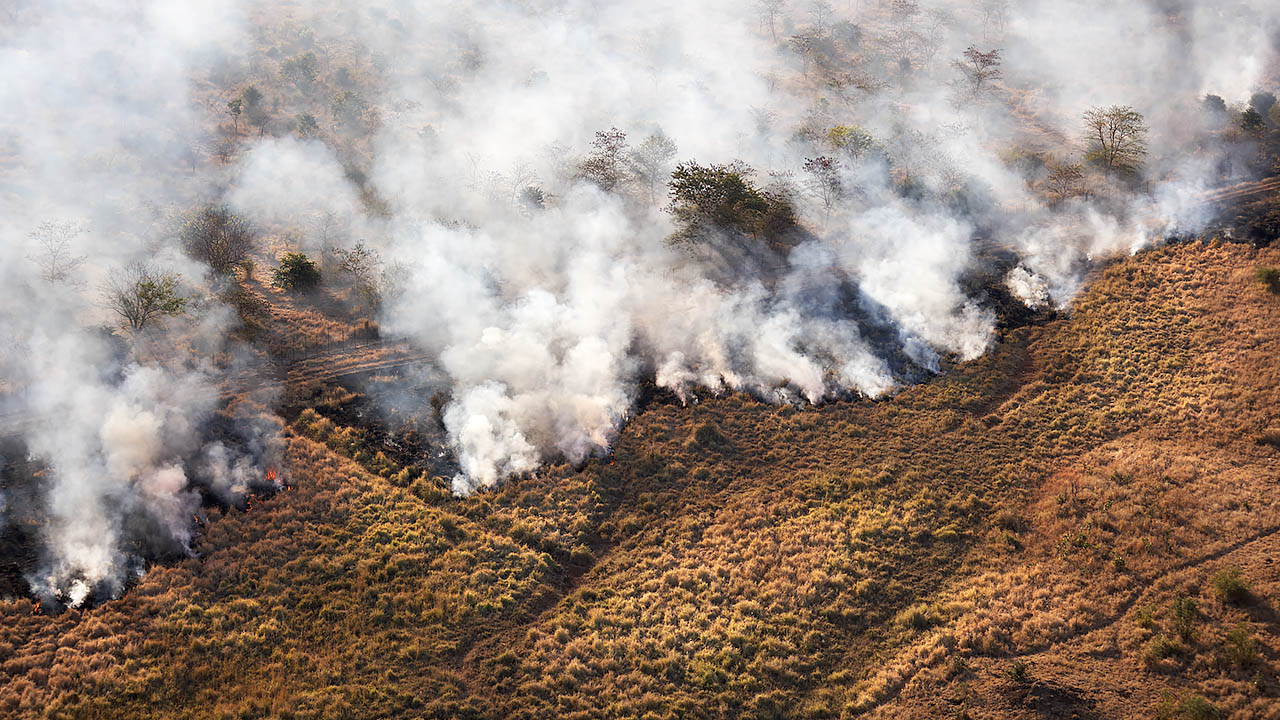
Prescribed Burning
Working on Fire has over 20-years of experience in Prescribed Burning.
Prescribed burns are fires that are planned to reduce fuel load. They are deliberately ignited with the intention of burning a predetermined area.
Working on Fire has over 20-years of experience in all types of Prescribed Burning.
Within our vast network, we supply professionally trained and fully equipped crews for any kind of prescribed burn to any location. When doing prescribed burns in foreign countries Working on Fire International develops local capacity through training and skills transfer.
Fuel Load Management
The Purpose and Benefits of Prescribed Burning
Reasons for Prescribed Burning
- Wildfire hazard reduction
- Reduction of hazardous fuels
- Cycle nutrients and maximize biodiversity
- Perpetuate fire-dependent species
- Improving wildlife and livestock habitat
- Controlling pest problems
- Site preparation for reforesting
- Manage endangered species
- Protection of infrastructure
Prescribed Burning For Fire Prevention
- Fire Breaks
- Understory Burning (Under canopy fire management, manual Ignition or aerial Ignition)
- Fuel Load Reduction
- Slash Burning
- Fuel Load Risk Reduction
Environmental Prescribed Burning
- Dead Grass Removal
- High Intensity Fires (control of bush encroachment)
- Point Ignition Specialists (Mosaic burns)
- Perimeter Burn Systems
- Burning of Contaminated Landscapes